8 Dead Stock Clearance Strategies That Actually Work for Shopify Brands
By Canopy Team

Quick answer
The 8 most effective dead stock clearance strategies for Shopify brands are: flash sale events with urgency-driven marketing, bundle dead stock with best-sellers, B2B liquidation to discount retailers, marketplace listing on Amazon/eBay, charitable donations for tax benefits, subscription box partnerships, influencer gifting for marketing value, and last resort — recycling or responsible disposal. The best strategy depends on the product condition, brand positioning, and how much of the original cost you need to recover. Start with bundling and flash sales (highest recovery rate), then work down the list.
The real cost of dead stock sitting in your warehouse
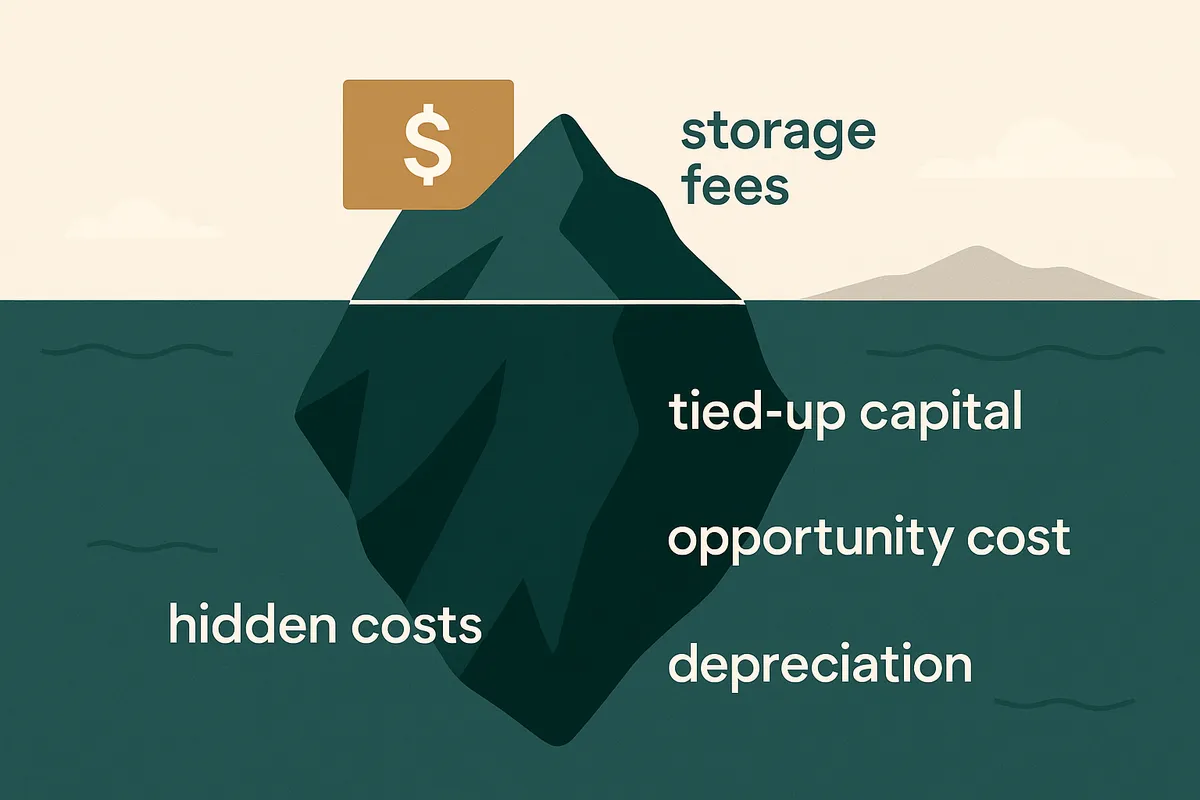
Dead stock is not just unsold product — it is cash that has been converted into something that is actively costing you money every day it sits there. The carrying cost of inventory includes warehouse space (rent per square metre allocated to those products), insurance, opportunity cost of the capital tied up, and the gradual depreciation in value as products age, go out of season, or become obsolete. For a typical Shopify brand, carrying costs run between 20-30% of the inventory value per year. That means if you have £10,000 worth of dead stock, it is costing you £2,000-3,000 per year just to store it — before you have lost a single penny on the product itself. Most merchants underestimate their dead stock problem because they do not measure it. They know certain products are not selling, but they do not know the total value, the total carrying cost, or when each product last sold.
How to identify dead stock before choosing a strategy
Before clearing dead stock, you need to identify it accurately. The standard definition is products with zero or near-zero sales in the last 90 days, but this is too simplistic for seasonal businesses. A winter coat with no sales in June is not dead stock — it is seasonal. A better approach combines three metrics: weeks cover (anything above 52 weeks is a red flag), sales velocity trend (declining week-over-week for 8+ consecutive weeks), and days since last sale (90+ days for non-seasonal items). In Shopify, you can identify potential dead stock by going to Analytics > Reports > Sales by product, filtering for the last 90 days, and looking for products with zero or minimal units sold. Cross-reference against your inventory levels to find products where you are holding significant quantities. An inventory management tool like Canopy automates this with a dedicated dead stock report that flags products meeting your defined criteria and calculates the cash value tied up.
Strategy 1: flash sale events with urgency marketing
Flash sales work because they create artificial urgency. A product that has sat unloved on your website for months suddenly becomes desirable when it is 50% off for 48 hours only. The key is presentation: do not label it a clearance sale (which signals unwanted product). Frame it as a limited-time offer, a warehouse sale, or an exclusive members-only deal. Use email marketing with countdown timers, social media teasers 2-3 days before, and prominent homepage banners during the sale. Expected recovery rate: 40-60% of original retail price. This is your best option for products that are still current and desirable but simply overstocked. Bailey & Coco runs quarterly flash sales that typically clear 60-70% of their identified dead stock at 40% discount, recovering roughly 60% of cost price.
Strategy 2: bundle dead stock with best-sellers
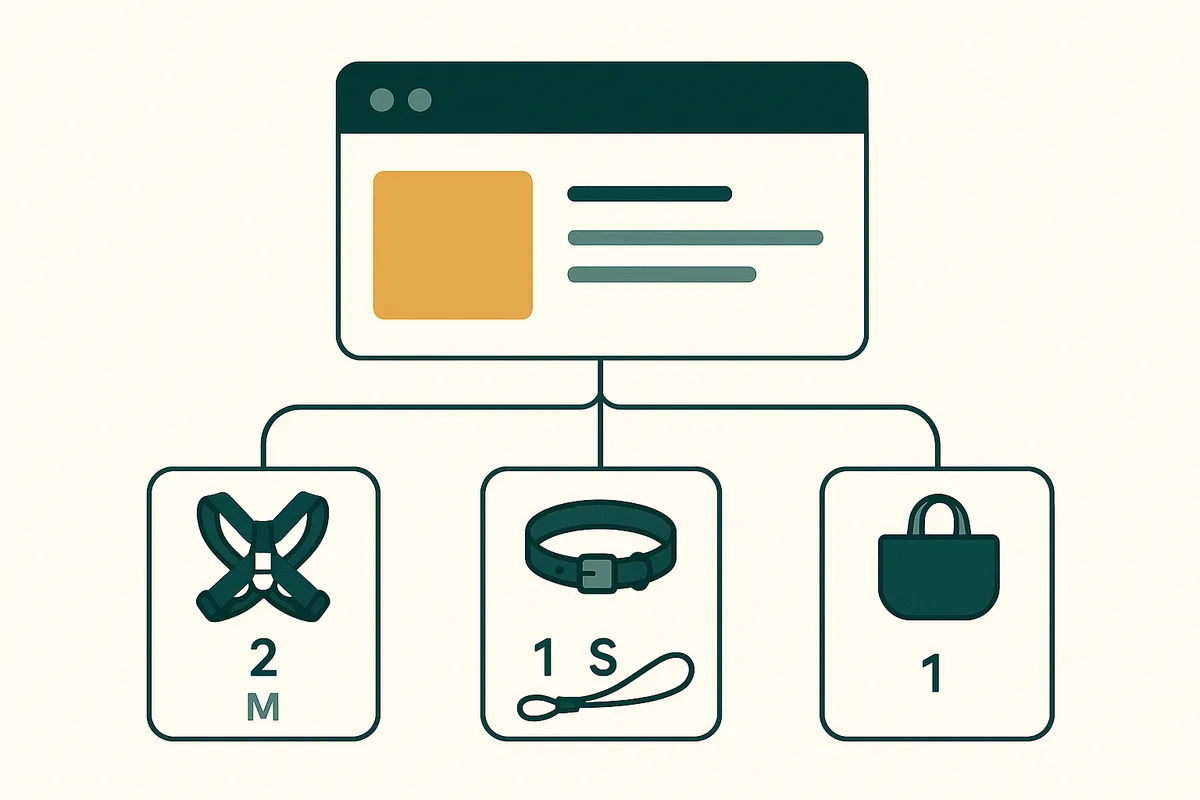
Bundling is the most underused clearance strategy. Instead of discounting dead stock directly (which can train customers to wait for sales), add it as a bonus item with popular products. "Buy any collar and lead set, get a free bandana" moves dead stock bandanas without discounting your core products. The customer perceives added value, not clearance. For this to work, the dead stock item must complement the best-seller — random pairings feel forced. Bailey & Coco bundles slow-moving seasonal patterns with their evergreen classics. A floral spring collar that did not sell becomes a "free seasonal extra" with their best-selling plain collar and lead set. The bundle costs the customer £34.95 (the regular set price) but they get a £12.95 collar free. Bailey & Coco clears dead stock while maintaining their average order value. Expected recovery rate: 0% directly (the item is given free), but the increased conversion rate and average order value on the bundle typically offsets 70-80% of the dead stock cost.
Strategy 3: B2B liquidation to discount retailers
If you have large quantities of dead stock (500+ units of a single product), B2B liquidation can move volume quickly. Discount retailers, market traders, and liquidation platforms buy excess inventory at 10-25% of retail price. Platforms like Stockbase, Liquidity Services, and B-Stock connect sellers with wholesale buyers. The trade-off is brutal on margins but effective on cash flow. Getting 15p in the pound is better than paying to store product indefinitely. Important consideration: if your brand relies on perceived exclusivity or premium positioning, B2B liquidation risks your products appearing in pound shops or discount bins. For brands where this matters, restrict liquidation to products where labels can be removed or to geographic markets where your brand is not present.
Strategy 4: marketplace listing on Amazon and eBay
Listing dead stock on Amazon and eBay exposes it to a different audience than your Shopify store. People browse marketplaces with different intent — they are often price-hunting or discovering products they would not have found on your website. Create listings specifically positioned for marketplace shoppers: competitive pricing, detailed descriptions, and strong photography. Do not simply mirror your Shopify listing at the same price. Expected recovery rate: 30-50% of original retail price (accounting for marketplace fees of 12-15%). This strategy works best for products with established demand in the marketplace category — check if similar products are selling on Amazon before investing time in listing creation.
Strategy 5: charitable donations for tax benefits
Donating dead stock to registered charities provides a tax deduction in the UK. Under Gift Aid, businesses can claim tax relief on the market value of donated goods. If you donate £5,000 worth of dead stock (at cost), the Corporation Tax relief at 25% is £1,250. You clear the stock, free up warehouse space, stop carrying costs, and recover 25% through tax savings. This is particularly effective for products approaching expiry, seasonal items that will not sell next year, or products where the cost of clearance (marketing, marketplace fees, labour) would exceed the recovery value. Contact a charity that is relevant to your products — animal charities for pet products, housing charities for homeware, etc.
Strategies 6-8: subscription boxes, influencer gifting, and last resort disposal
Three additional strategies for specific situations:
Subscription box partnerships: Companies like Bark Box, Glossy Box, and similar subscription services constantly need products at below-wholesale prices. If your dead stock fits a subscription box niche, you can clear volume while getting brand exposure to a curated audience. Recovery rate: 15-30% of retail.
Influencer gifting: Turn dead stock into marketing spend. Send products to micro-influencers (1,000-10,000 followers) in exchange for content. You clear inventory while generating user-generated content and social proof for your brand. The monetary recovery is zero, but the marketing value can exceed the product cost.
Responsible disposal: When products are damaged, expired, or so far below cost that any clearance method costs more than recovery, responsible disposal is the final option. For pet products, food items, or anything with safety implications, this may be the only responsible choice. Recycling where possible, textile recycling for fabric products, and proper waste disposal for the rest. The goal at this stage is simply to stop carrying costs.
How Bailey & Coco reduced dead stock by £18,000 in one quarter
Bailey & Coco identified £24,000 worth of dead stock across their 2,845 SKUs — products with zero sales in 90+ days sitting in their garage and shipping containers. Their clearance strategy used a combination of approaches: flash sale event (cleared £9,600 at 40% discount, recovered £5,760), bundling with best-sellers (cleared £6,200 worth of seasonal patterns, offsetting against increased AOV), marketplace listing on Amazon (cleared £2,200 at 35% of retail), and the remainder was donated to a dog rescue charity (£6,000 at cost, with £1,500 Corporation Tax relief). Total dead stock cleared: £24,000. Total cash recovered: approximately £11,460. More importantly, the freed warehouse space in two of their shipping containers was reallocated to incoming Q4 stock — fast-moving products that would generate significantly more revenue per square metre. The lesson: dead stock clearance is not about maximising recovery on each unit. It is about converting non-performing inventory into cash and space for products that sell.
Identify your dead stock before it costs you more
Canopy gives Shopify brands the inventory clarity they need to grow.
Preventing dead stock in the first place
The best clearance strategy is not needing one. Dead stock usually results from one of three purchasing errors: ordering too much of a new untested product, reordering seasonal items without adjusting for declining demand, or not monitoring weeks cover closely enough to spot slowing velocity early.
Prevention means: start with small initial orders for new products (test with 50-100 units before committing to 500), monitor weeks cover weekly and flag anything above 26 weeks for review, and use demand forecasting that accounts for seasonal patterns rather than assuming this quarter's sales will match last quarter's.
An inventory management system that proactively flags products moving from healthy stock to potential dead stock — while there is still time to adjust pricing or marketing — is worth more than any clearance strategy after the fact.
Frequently Asked Questions
Dead stock is inventory that has not sold within a defined period — typically 90 days for non-seasonal products. A more nuanced definition includes products with weeks cover above 52 weeks, declining sales velocity for 8+ consecutive weeks, or products that have not had a single sale in 90+ days.
The carrying cost of dead stock is typically 20-30% of its value per year. This includes warehouse space, insurance, capital opportunity cost, and depreciation. A £10,000 pile of dead stock costs £2,000-3,000 per year in carrying costs alone.
Direct discounting works for clearing stock but risks training customers to wait for sales. Better approaches include bundling with best-sellers, flash sales with urgency (limited time, not permanent markdown), or listing on marketplaces where a different audience sees the discounted price.
Yes. UK businesses can claim Corporation Tax relief on the cost value of goods donated to registered charities. At the current 25% Corporation Tax rate, donating £10,000 worth of dead stock (at cost) provides £2,500 in tax relief.
Monitor weeks cover weekly and flag products above 26 weeks for review. Start with small initial orders for new products. Use demand forecasting that accounts for seasonal patterns. Review slow-moving products monthly and take action before they become dead stock.
Related pages
Canopy's dead stock identification, weeks cover tracking, and inventory health monitoring
Dead stock reporting, weeks cover alerts, and proactive inventory management features
Understand the true cost of holding dead stock including carrying costs and opportunity cost
Related Articles

Weeks Cover in Stock Management: Formula, Examples & How to Use It
Weeks cover tells you how many weeks your current stock will last at the current sales rate. Learn the formula, what good weeks cover looks like, and how to calculate it for thousands of SKUs.
Shopify Bundle Inventory Management: How to Track Component Stock Without Losing Your Mind
Managing bundle inventory on Shopify is complex — component tracking, MIN calculation, overselling prevention. Learn how brands with 151+ bundles handle it without spreadsheet chaos.
Get early access to Canopy
The inventory system built for Shopify brands. No spam — just a heads-up when we launch.